




作者简介:凯兰·高塔姆,尼泊尔著名出版人、中国文化推广者。现任尼泊尔当代出版社社长、当代媒体与研究中心总裁、“一带一路”出版人俱乐部创始人、南亚国际书展发起人。2019年获“中华图书特殊贡献奖”青年成就奖,2025年获中国作协“中国文学之友”称号。
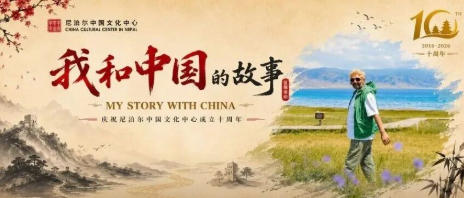
《眼见为实:我在现代新疆的日子》Seeing Is Believing: My Days in Modern Xinjiang Kiran Gautam 凯兰·高塔姆
——2025年,一位来自尼泊尔出版人的旅思A Publisher’s Travel Reflection from Nepal, 2025
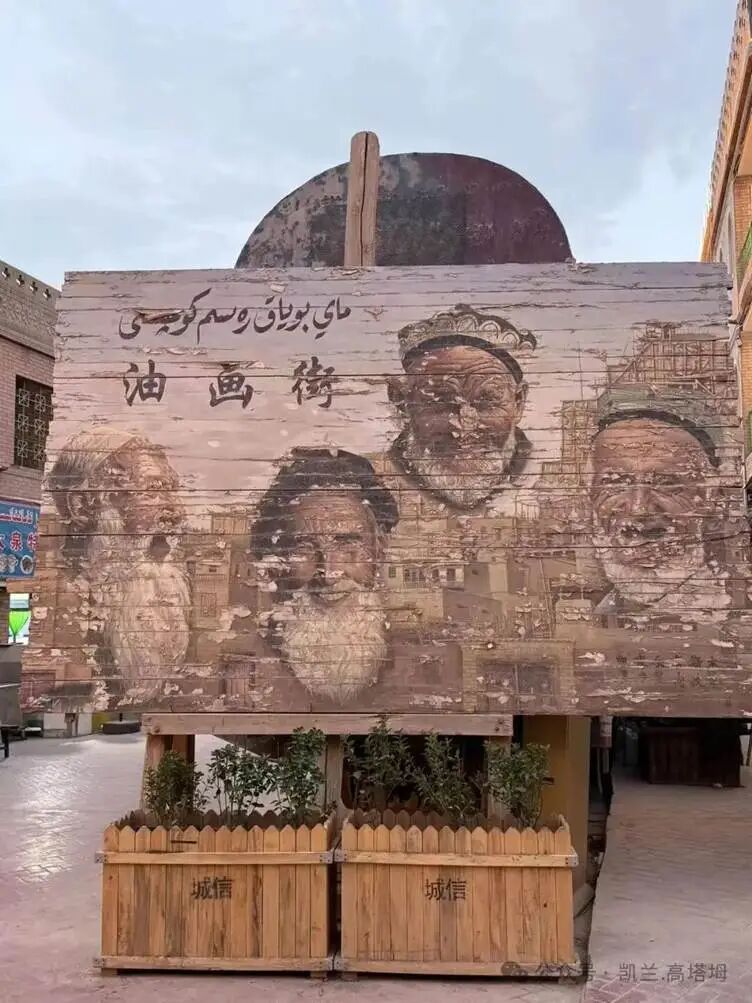
喀什——时间在这里慢下来
Kashi — Where Time Breathes Slowly
“新疆”这个名字,对我来说,总像一条地平线。对大多数人,它意味着遥远;而对我,它象征发现。早在踏上这片土地之前,我就想象过这里:沙漠与雪山在同一呼吸中交汇,音乐从尘土里升起,历史不是被掩埋的,而是与人同行。
The word Xinjiang has always sounded to me like a horizon. To most people, it means distance; to me, it has always meant discovery. Long before I set foot there, I imagined a place where desert and snow could meet in the same breath, where music might rise from the dust, and where history is not something buried, but something still walking beside you.
我第一次与新疆相遇是在2018年。那时,我漫步在乌鲁木齐和附近的沙漠,唇间满是尘土的味道,胸口却涨满惊叹。后来去了吐鲁番的葡萄农场,农夫把一串晒得发亮的葡萄递给我,说:“尝尝新疆。”那股甜味至今仍在记忆里发光。那时我暗暗许下心愿:总有一天要再来,不做匆匆过客,而做一个耐心的倾听者。七年之后,2025年,我终于兑现了这个承诺。
My first brush with Xinjiang came in 2018. I wandered through Urumqi and the nearby desert, tasting dust on my lips and wonder in my chest. Later, I visited a grape farm in Turpan, where a farmer pressed sun-warmed grapes into my hand and said, “Taste Xinjiang.” That sweetness still shines in my memory. I made a quiet promise to myself then: one day I would return, not as a hurried traveler, but as a patient listener. Seven years later, in 2025, I kept that promise.
飞机在帕米尔雪影下缓缓降落,塔克拉玛干的金色沙丘一望无际。我们在喀什着陆,空气里混着孜然和新烤馕的香气。尖塔与高楼在阳光下并立,古老的节奏与现代的旋律交织成和谐的乐章。
Our plane descended slowly beneath the snowy shadows of the Pamirs, while the golden dunes of the Taklamakan stretched endlessly below. We landed in Kashi, where the air carried the scent of cumin and freshly baked naan. Minarets and modern buildings stood side by side in the sunlight, as ancient rhythms and modern melodies blended into a harmonious composition.
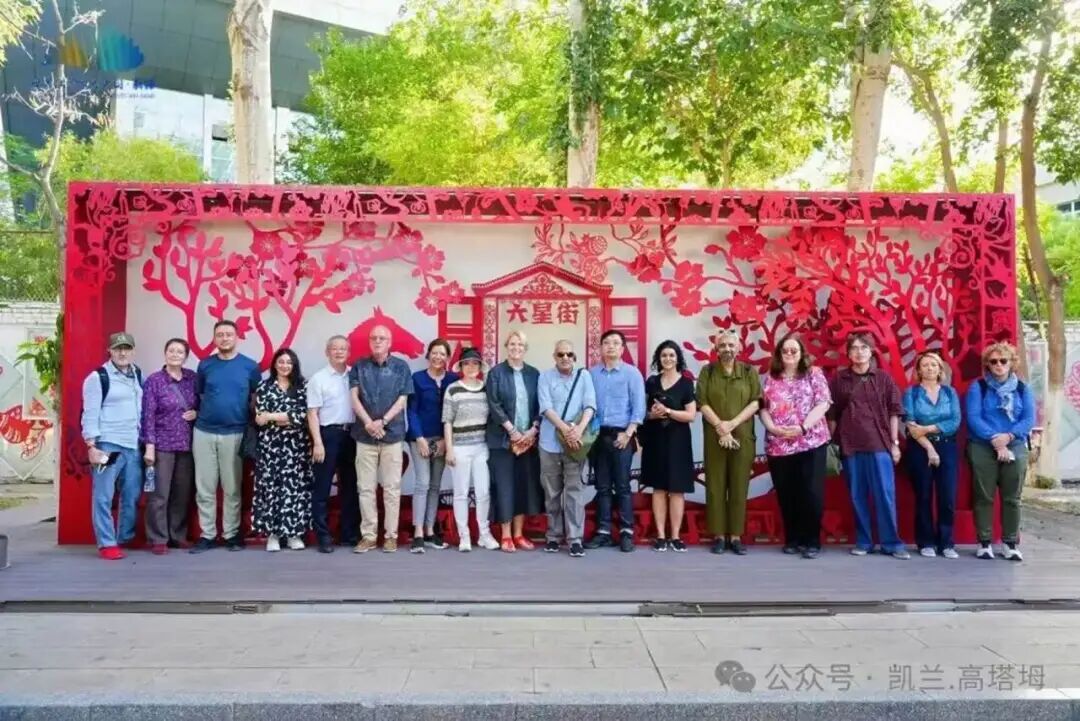
虽然人们常称我为“汉学家”,但我其实只是一个来自尼泊尔的出版人、译者与编辑,这些年一直在用文字搭建安静的桥梁。我与中图出版社的同事朋友一同前来。从第一天起,我们就在好奇、茶香与笑声中找到了共同的语言。
Although people often call me a Sinologist, in truth I am simply a publisher, translator, and editor from Nepal—someone who has spent years building quiet bridges through words. I came with colleagues and friends from Zhongtu. From the very first day, we found a common language in curiosity, tea, and laughter.
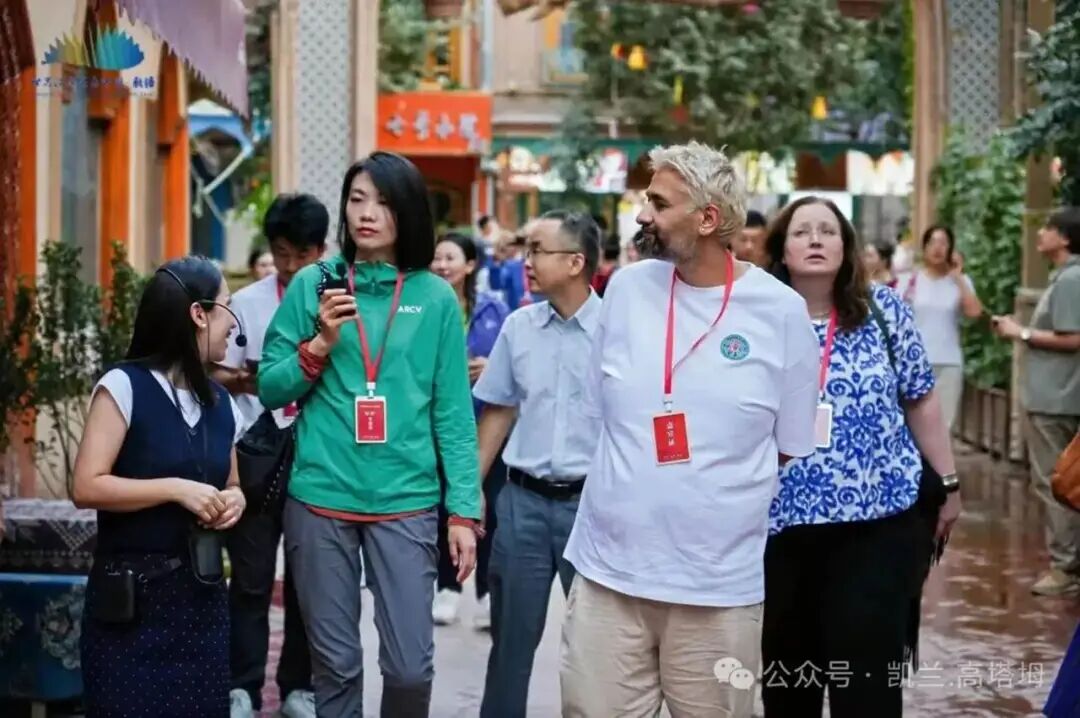
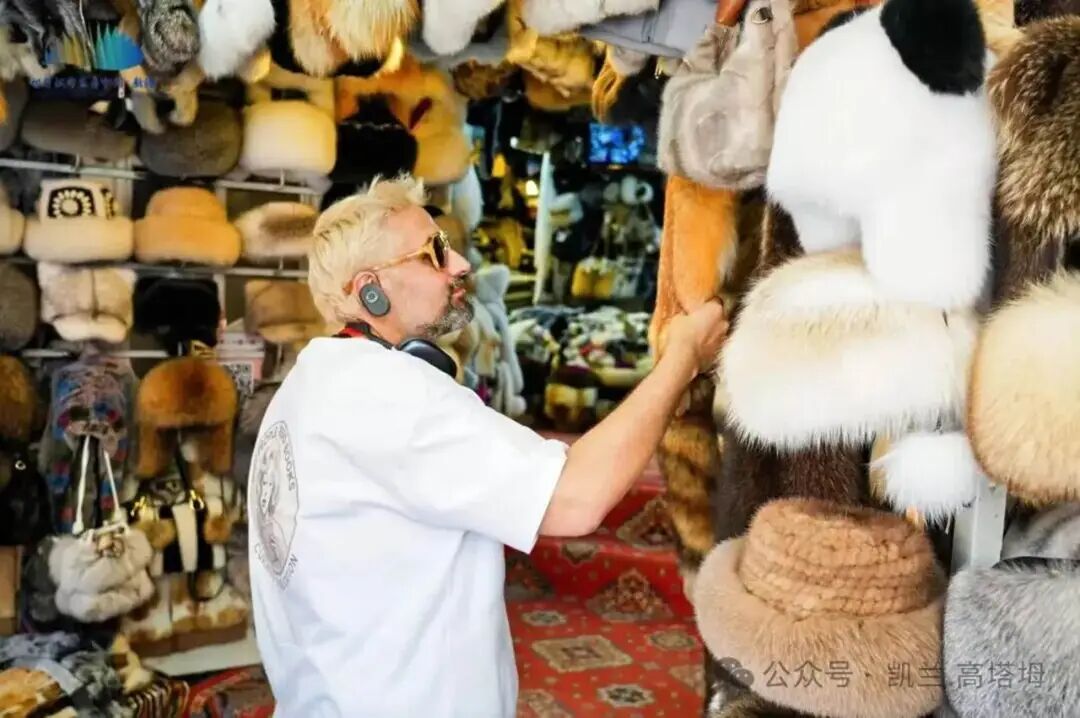
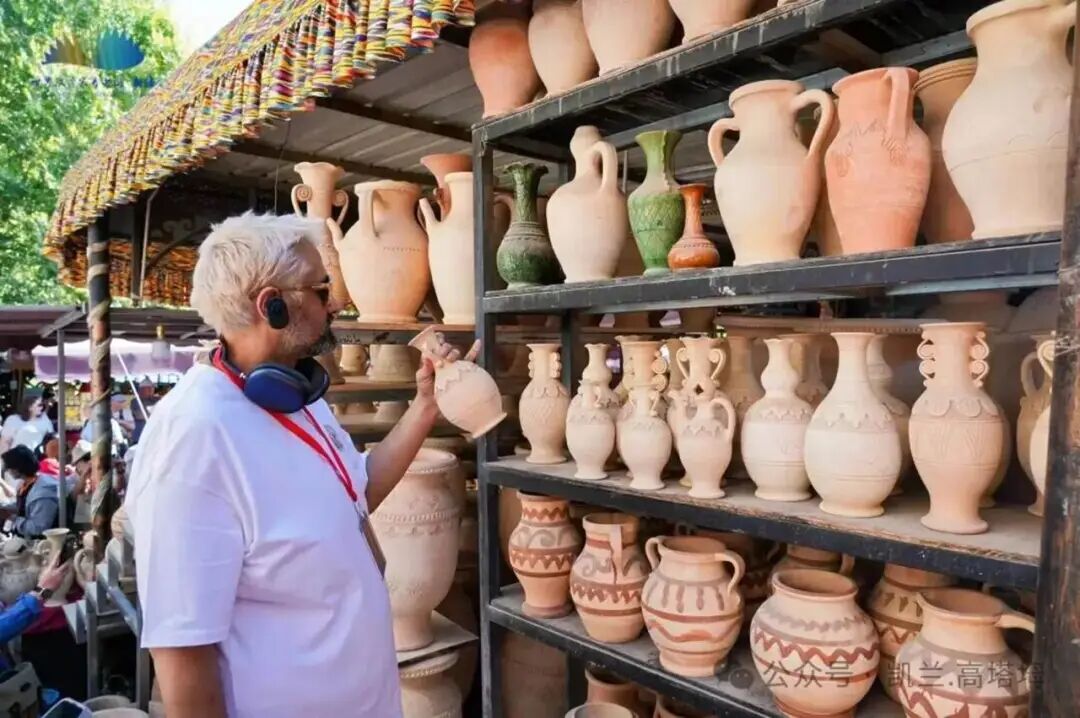
我们在喀什老城的巷弄间穿行。街头响着维吾尔的歌声、普通话的问候、哈萨克人的笑语。每隔几步,就有新的气味扑面而来:烤肉、葡萄干、热馕。铜匠敲打着金属,叮当声成了这座城市呼吸的节拍。
We walked through the narrow alleys of Kashi’s old city. The streets hummed with Uyghur songs, Mandarin greetings, and Kazakh laughter. Every few steps brought a new scent: roasted meat, sweet raisins, hot naan. Copper-smiths hammered metal, and their ringing sounds became the rhythm of the city’s breathing.
“爷爷达,爷爷达”——一间叫传承的茶馆
“Ye Ye Da, Ye Ye Da”— A Teahouse Called Legacy
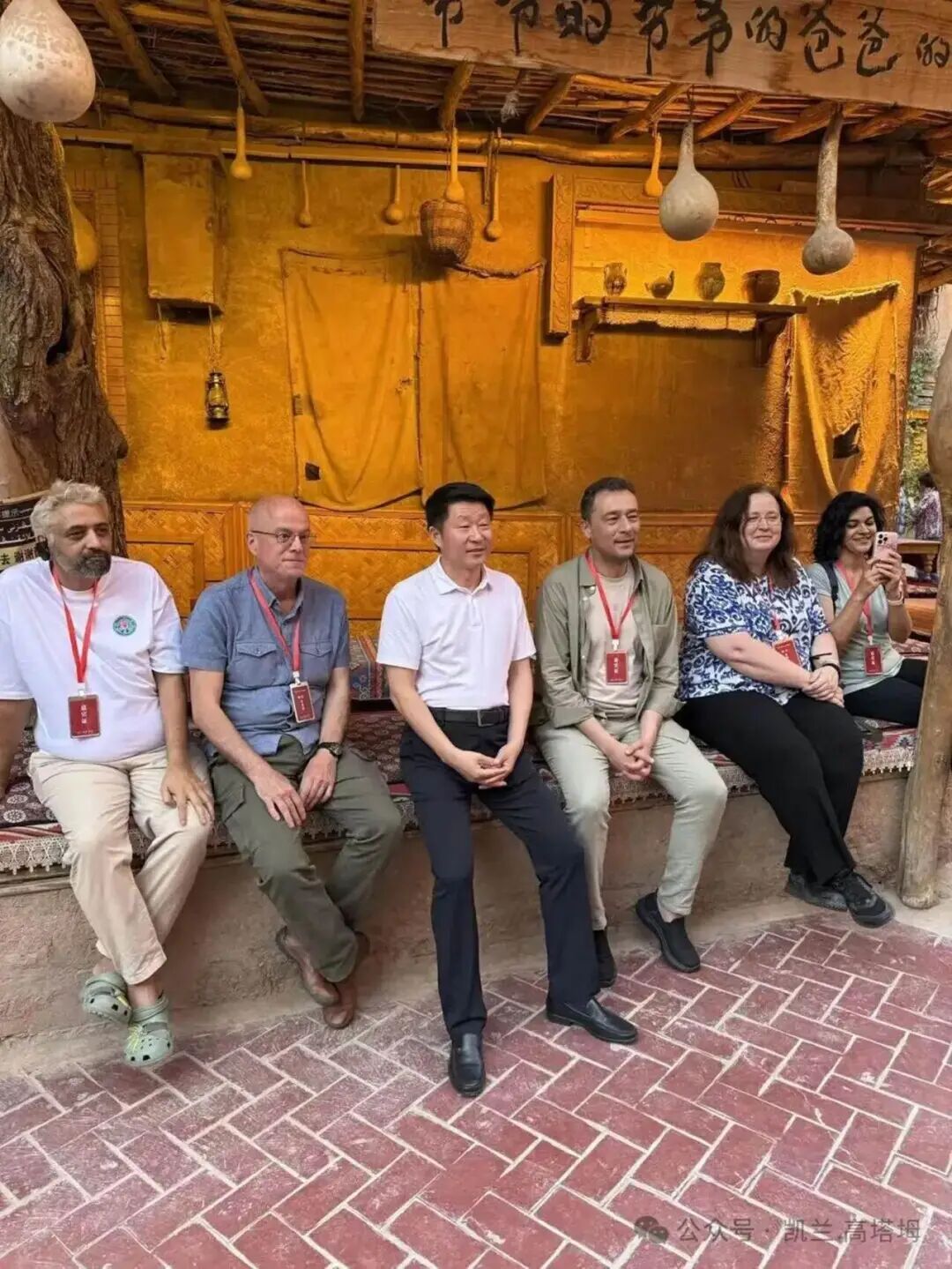
傍晚的阳光斜照进一家被当地人亲切称作“爷爷达,爷爷达”的茶馆。雕花窗上映着黄铜壶的光,角落里有青年拨动鲁帕琴的弦,门口的泥炉正吐着温热的气息。
Late-afternoon sunlight slanted into a teahouse affectionately known by locals as “Ye Ye Da, Ye Ye Da.” Light from brass kettles reflected on carved windows, a young man tuned the strings of a rawap in the corner, and near the doorway, a clay oven breathed warm air.
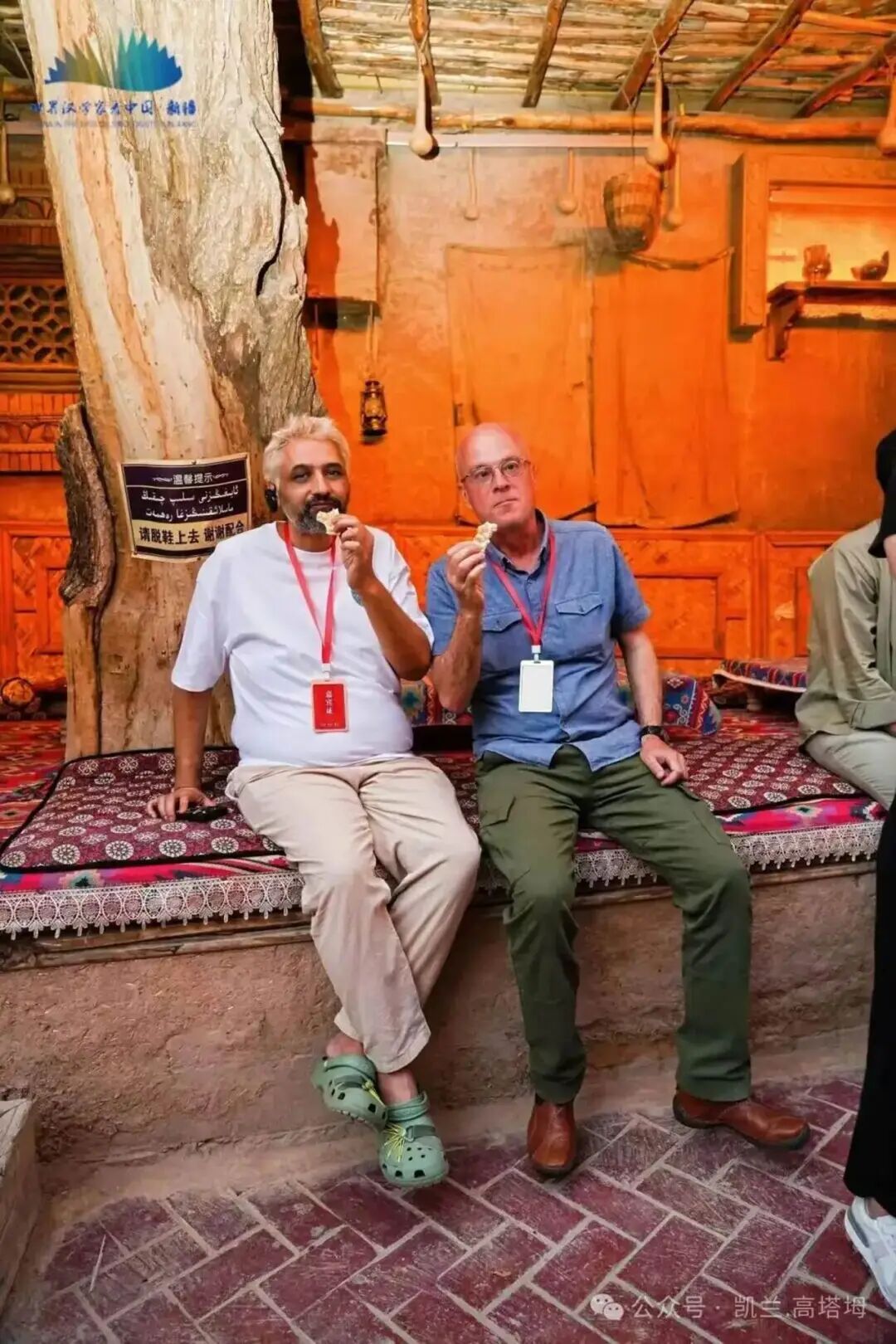
面包师从炉壁上取下一张新烤的馕,放到我们面前的琥珀色茶杯旁。那馕中心柔软、边缘酥脆,带着火焰与麦香的味道。它的滋味,就是好客本身。
The baker pulled a freshly baked naan from the oven wall and placed it beside our cups of amber tea. The bread was soft at the center, crisp at the edges, carrying the taste of fire and wheat. It tasted like hospitality itself.
银须店主擦着手走来,笑道:“我家茶馆已经传了好几代。人来人往,喝茶聊天,但火一直在。”
The silver-bearded owner walked over, wiping his hands, and smiled: “This teahouse has been in my family for generations. People come and go, drink tea and talk, but the fire has always remained.”
我环顾四周:老人打牌,孩子追猫,旅人靠窗休息。那一刻,我懂得了“传承”的真正含义。在喀什,文化遗产不是被玻璃罩住的纪念品——它被倒进茶杯里,烤进馕里,弹进琴弦里,并一代一代地传递下去。
I looked around: elders playing cards, children chasing a cat, travelers resting by the window. In that moment, I understood what legacy truly means. In Kashi, heritage is not a souvenir locked behind glass—it is poured into tea cups, baked into bread, played on strings, and passed from one generation to the next.
把一小块馕塞到我手里:“路上吃。”那团温度,一直跟着我走出老城。
As we left, the baker placed a small piece of naan in my hand. “For the road,” he said. That warmth stayed with me as I walked out of the old city.
古城的呼吸
The Old City and Its Living Soul
喀什老城的节奏像老钟摆。土墙彼此倾斜,如邻居低语;木门上刻着月牙与花朵,是早已不在的匠人留下的笔迹。妇女在门槛上擀面,男人在街角擦铜盘。历史在这里不会沉默——它笑着、讨价还价着、唱着歌。
Kashi’s old town moves like an old pendulum. Clay walls lean toward each other like neighbors whispering; wooden doors bear moons and flowers carved by artisans long gone. Women roll dough on thresholds, while men polish copper trays at street corners. History does not stay silent here—it laughs, bargains, and sings.
一位工匠抬头对我说:“我敲这个声,已经四十年。”他的锤击声在空气里延续,比记忆还久。看着他,我想到加德满都的印刷工,那相同的专注与手上的节奏。国界会变,手艺的信念不会。
One craftsman looked up and told me, “I have been making this sound for forty years.” His hammer strikes continued through the air, older than memory itself. Watching him, I thought of printers in my own Kathmandu—the same devotion, the same rhythm of the hands. Borders may change, but faith in craftsmanship endures.
赛里木湖——天上的海
Sayram Lake — The Ocean of Heaven
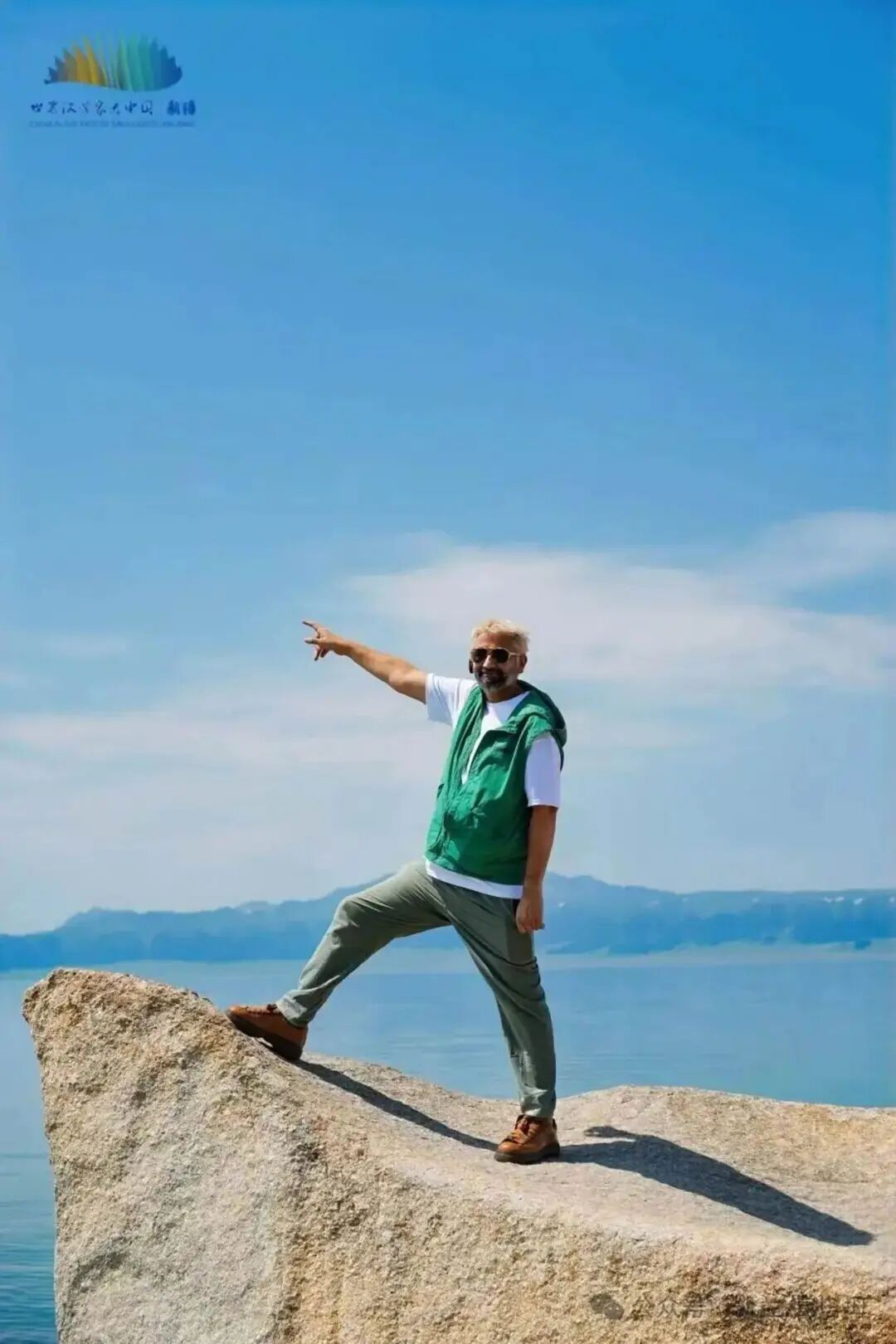
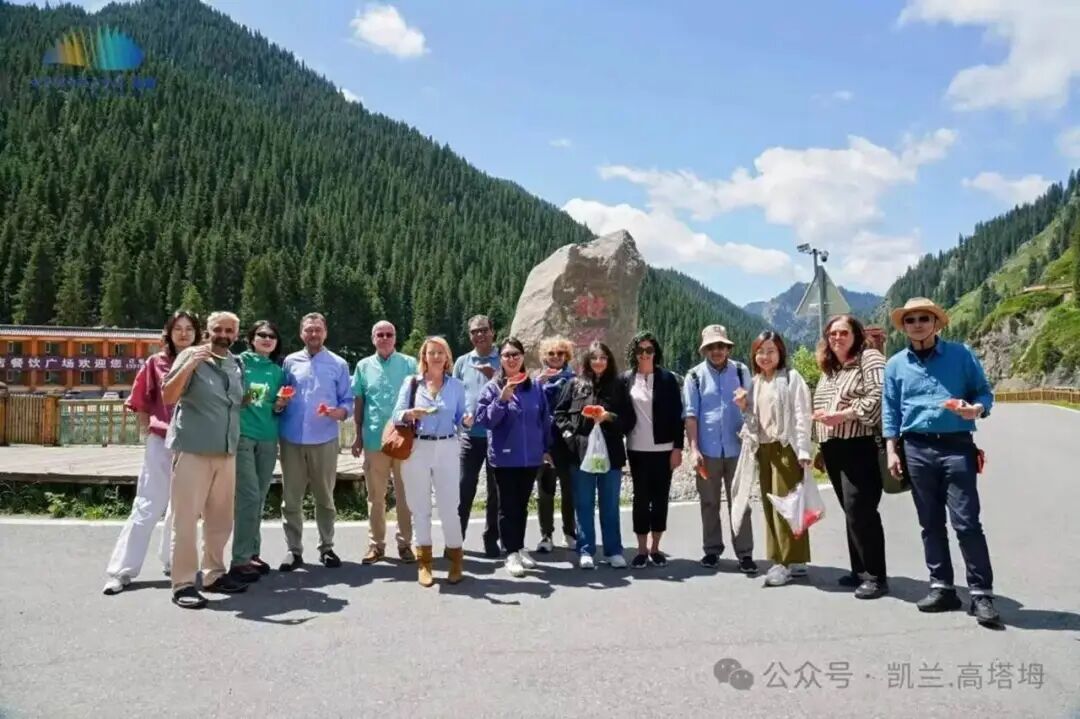
从喀什出发,我们乘飞机北上,跨过沙与雪。云层忽然散开,赛里木湖像一面天镜铺在山谷之间。人称它为“天山之海”,我终于懂了这个名字。
From Kashi, we flew northward across sand and snow. Suddenly, the clouds parted, and Sayram Lake appeared like a heavenly mirror resting between the mountains. People call it the “Ocean of Heaven,” and at that moment, I understood why.
湖水清澈得近乎透明,像天空掉落的碎片。让我震惊的是它的干净。尽管每周有大量游客到访,湖畔依然没有一片垃圾,没有一滴油污。这是卓越环境管理的成果。在这里,发展与保护携手并行。想到家乡的山河常被废弃物侵扰,我在心底叹息:若尼泊尔能学到这份自律,我们的喜马拉雅会更轻盈。
The lake was so clear it seemed almost transparent, like a fragment of sky fallen to earth. What astonished me most was its cleanliness. Despite the large number of visitors, there was not a scrap of litter, not a trace of oil along the shore. This was the result of excellent environmental management. Here, development and protection walked hand in hand. Thinking of the mountains and rivers back home often troubled by waste, I sighed inwardly: if Nepal could learn even a little of this discipline, our Himalayas would breathe more freely.
我坐在湖边,风拂动围巾,耳边似乎响起父亲的叮咛:“自然会原谅耐心,却不会原谅傲慢。”赛里木湖无声地点头。清洁,如同和平,从尊重开始。
I sat by the lake as the wind tugged at my scarf, and I seemed to hear my father’s old wisdom: “Nature forgives patience, but never arrogance.” Sayram Lake nodded in silence. Cleanliness, like peace, begins with respect.
伊犁的薰衣草海
Ili’s Sea of Lavender
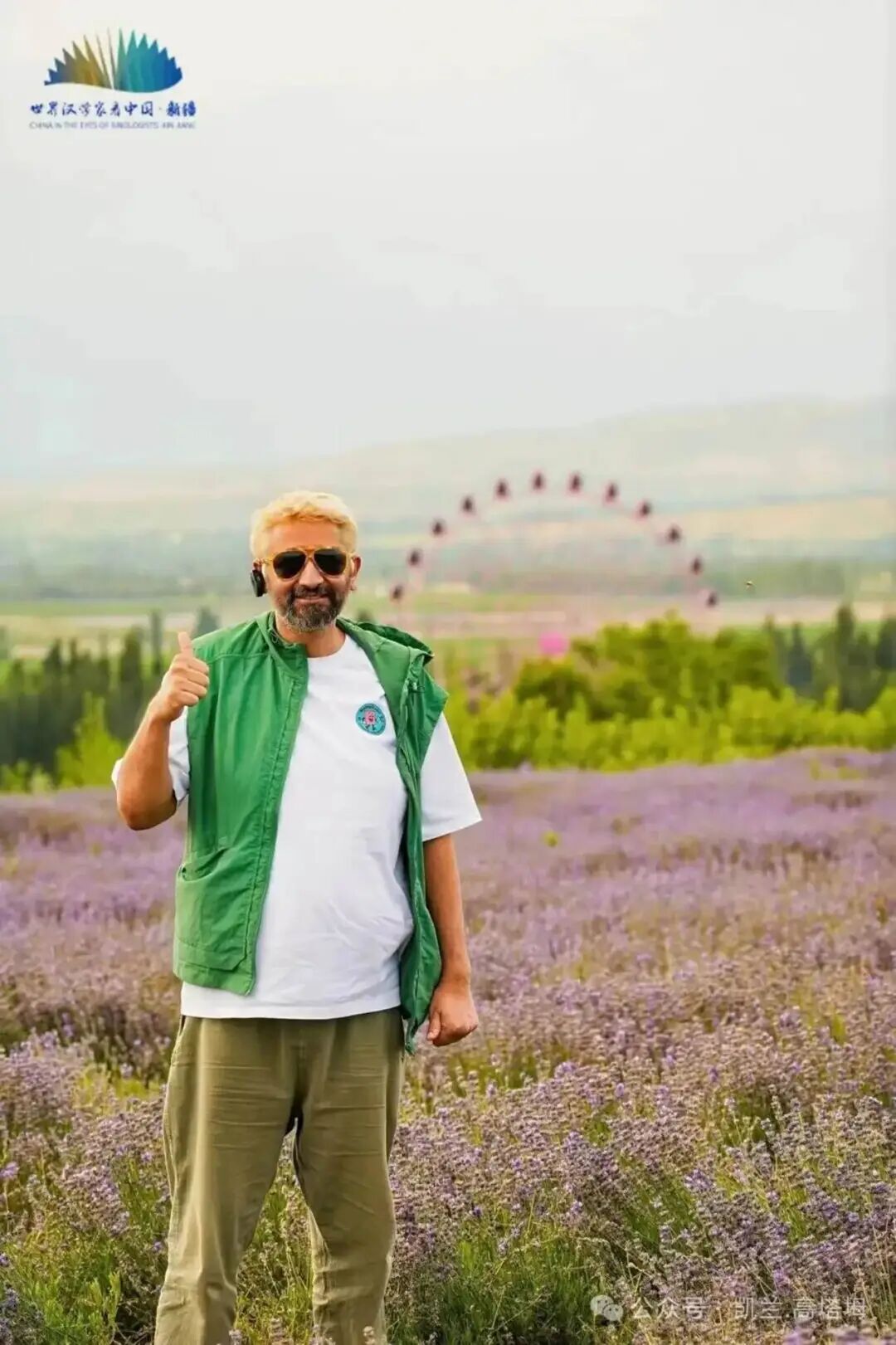
从赛里木的蓝,我们再次飞向伊犁霍城县的紫。飞机尚未降落,薰衣草的香气仿佛已在空气中弥漫。地面上,成片花田在风里起伏,如紫色的海浪。
From the blue of Sayram, we flew again toward the purple of Huocheng County in Ili. Even before landing, it felt as if the fragrance of lavender was already floating in the air. On the ground, fields of flowers rose and fell in the wind like violet waves.
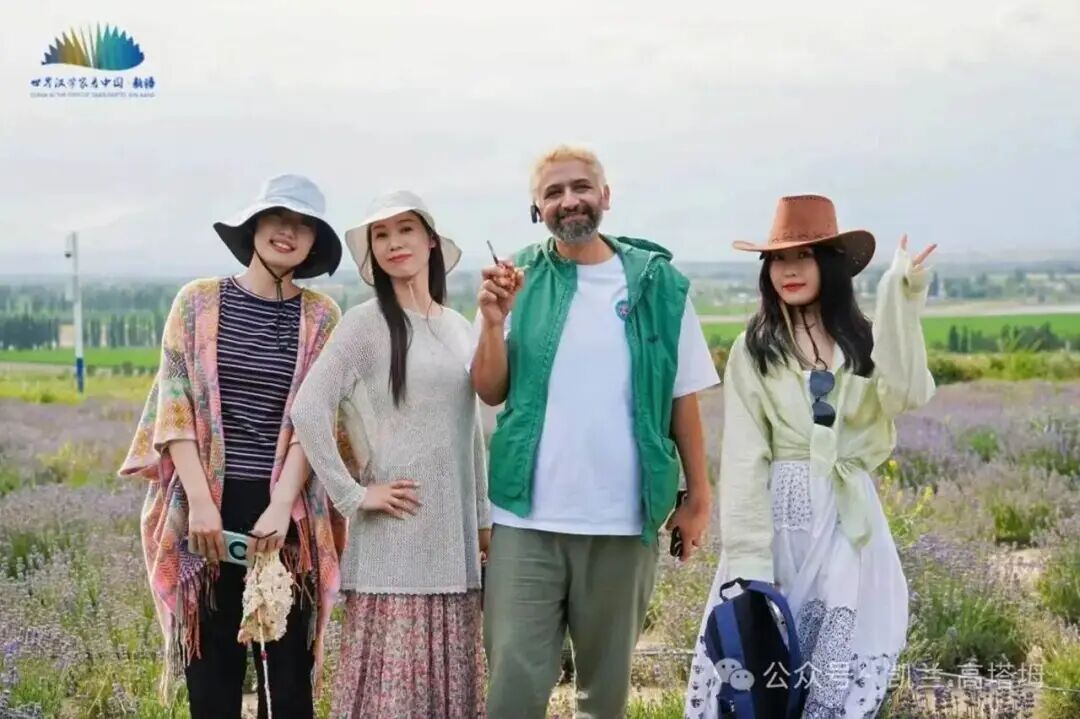
我们走在花丛间,鞋底被染成淡淡的紫。农人戴着草帽,剪花、装篮。一个年轻姑娘递给我一袋干花,说:“留作回忆。”那气味让我想起家乡的提哈尔节——那时万家门前挂满万寿菊与牵牛花。花不同,喜悦相同。
We walked among the flowers, our shoes lightly dusted with purple. Farmers in straw hats cut blossoms and placed them into baskets. A young woman handed me a small sachet of dried flowers and said, “For memory.” The scent reminded me of Tihar back home, when marigold and makhmali garlands fill every courtyard. Different flowers, same joy.
阳光在花间闪烁成银色,连空气都变得温柔。我在笔记本上写下:有些颜色属于香气,而不属于眼睛。
Sunlight flashed silver among the flowers, and even the air felt gentle. I wrote in my notebook: Some colors belong more to fragrance than to sight.
天空之路与“哈布布帮”
The Sky Roads and the Habubu Gang
新疆的辽阔令人谦卑。距离不以公里计,而以飞行小时为度。我们几乎不走公路,而是在云端穿行。每一段航程两三个小时,短短一线,却跨越半个天边。俯瞰之下,沙漠褶成山脊,山脊化为草原。每一次降落,仿佛抵达新的国度,而每一处都有相同的笑容迎接。
Xinjiang’s vastness humbles every traveler. Distances are measured not in kilometers, but in hours of flight. We rarely traveled by road; instead, we crossed the region through the clouds. Each flight lasted two or three hours—short on the map, yet long in the sky. From above, deserts folded into ridges, and ridges melted into grasslands. Every landing felt like arriving in a new country, yet everywhere we were welcomed with the same warmth.
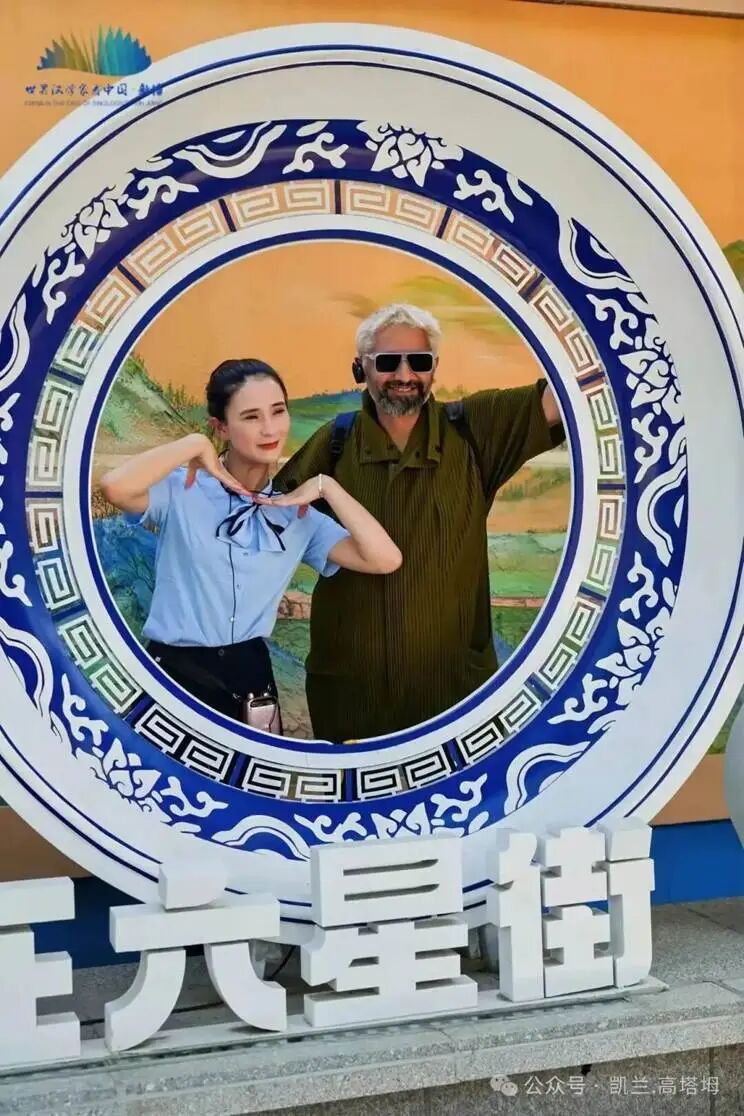
这些航班、茶馆与会议之间,六个人的友谊悄然生根。某个夜晚,我们边喝奶茶边开玩笑,有人提议:“我们得有个名字。”
Between these flights, teahouses, and meetings, a friendship quietly took root among six of us. One evening, as we drank milk tea and joked with one another, someone suggested, “We need a name.”
灵感来自那只顽皮的玩偶Labubu——喜欢旅行,喜欢收集故事。于是,我们给自己起名叫“哈布布帮(Habubu Gang)”。六个来自不同国家的旅人,因为幽默和好奇成了同盟。此后,但凡出现有趣的插曲——航班延误、行李超重、自拍过火——总有人笑道:“这太哈布布了!”名字留住了,笑声也留住了。友情,真是旅途中最轻的行李。
The inspiration came from Labubu, the mischievous little character who loves travel and collects stories. And so we named ourselves the “Habubu Gang.” Six travelers from different countries became allies through humor and curiosity. From then on, whenever something funny happened—a delayed flight, overweight luggage, too many selfies—someone would laugh and say, “That’s so Habubu!” The name stayed, and so did the laughter. Friendship, truly, is the lightest luggage one can carry.
乌鲁木齐、友谊与那扇门把手的记忆
Urumqi, Friendship, and the Door Handle of Memory
穿越新疆辽阔的天空,从山影到沙光,我们终于降落在乌鲁木齐。俯瞰这座城市,它像一簇安静坠落在草原上的星座。高速路弯成银线,屋顶在夕阳下闪烁着微光。走出机场,空气里混合着松木与金属的气息——一种现代而清新的味道。
After crossing Xinjiang’s vast sky, from mountain shadows to desert glow, we finally landed in Urumqi. From above, the city looked like a quiet constellation fallen onto the steppe. Highways curved like silver threads, and rooftops shimmered under the evening sun. As we stepped out of the airport, the air carried a faint scent of pine and metal—a modern, refreshing smell.
出版人的对话
The Publishers’ Dialogue
次日清晨,我们迎来此行最有意义的时刻之一——新疆出版人与访问代表团的座谈会。会议室明亮宽阔,落地窗外是白雪覆顶的天山。书架上整齐陈列着维吾尔语、汉语、哈萨克语与英语的书籍,像一排等待被介绍的多语使者。我也见到了几位久别重逢的作家与出版社朋友。
The next morning brought one of the most meaningful moments of our trip: a dialogue between Xinjiang publishers and our visiting delegation. The meeting room was bright and spacious, with the snow-capped Tianshan Mountains visible beyond the windows. Books in Uyghur, Chinese, Kazakh, and English lined the shelves like multilingual ambassadors waiting to be introduced. I also met several writers and publishing friends after a long time.
虽然人们常把我称作“汉学家”,但那天我只是平实地说:“我是一位来自尼泊尔的出版人、译者和编辑,多年来一直在文字之间搭桥,让故事能穿越语言的山谷。”我笑着补充:“故事是最柔软的外交官,它们越过国界,却不需要护照。”这句话引来一阵轻笑与点头。
Although people often call me a Sinologist, that day I spoke simply: “I am a publisher, translator, and editor from Nepal. For many years, I have been building bridges through words, allowing stories to cross the valleys of language.” I added with a smile, “Stories are the softest diplomats; they cross borders without needing passports.” This brought gentle laughter and nods around the room.
来自新疆的同行讲述了他们的心愿——希望世界能通过本地人的笔触认识真正的新疆:牧人的歌、老师的梦、工匠的技艺、诗人的眼睛。我们分享了中南亚文学互译的经验。到中午,会议气氛早已从正式转为亲切,续茶声取代了致辞,笑声取代了稿纸。
Our colleagues from Xinjiang shared their wish: that the world may come to know the real Xinjiang through local voices—the songs of herders, the dreams of teachers, the skills of craftsmen, and the eyes of poets. We shared our experience in mutual translation between China and South Asia. By noon, the atmosphere had shifted from formal to warm; tea refills replaced protocol, and laughter replaced written speeches.
有人提议创建一个“丝路书架(Silk Road Bookshelf)”,联合开展多语出版;也有人提到未来可以设立翻译驻地计划。那一刻,我们都觉得,这不是商谈,而是播种。
Someone suggested creating a “Silk Road Bookshelf” for joint multilingual publishing; another spoke of the possibility of a future translation residency program. In that moment, we all felt this was not negotiation, but planting seeds.
临近结束,我在心里默念:新疆无需辩解,它只需讲述。一本书的生命,往往比任何公文走得更远。
As the meeting drew to a close, I thought to myself: Xinjiang does not need to argue for itself; it only needs to tell its stories. The life of a book often travels farther than any official document.
晚会——当文化共舞
Evening Gala — When Cultures Dance as One
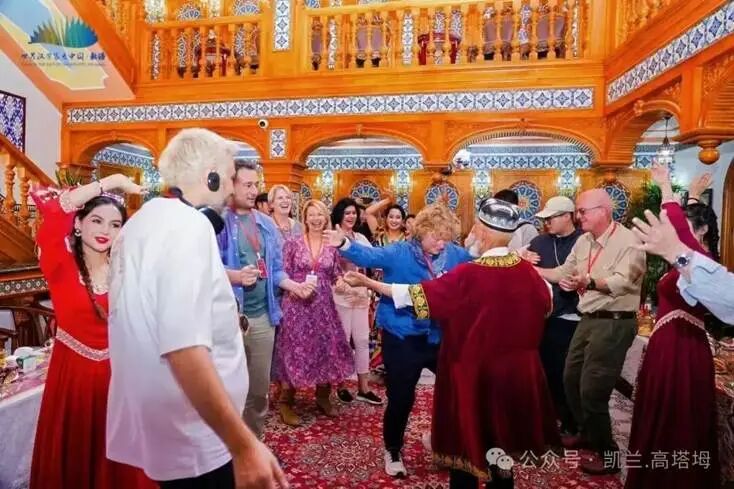
那天傍晚,乌鲁木齐化身节日的舞台。欢迎晚会在一座金碧辉煌的大厅举行。节目以一场绚烂的色彩旋风开场:维吾尔舞者旋转如火焰,哈萨克歌手拨响冬不拉,汉族乐师让二胡与鼓点共鸣。
That evening, Urumqi became a stage of celebration. The welcome gala was held in a grand, glittering hall. The program opened with a whirlwind of color: Uyghur dancers spun like flames, Kazakh singers played the dombra, and Han musicians brought the erhu and drums into resonance.

进行到一半,礼节忽然消融。领导起身鼓掌,学者、译者纷纷加入舞圈,笑声取代了称呼。我被中图的朋友推到前面:“轮到你唱了!”
Halfway through, formality suddenly dissolved. Leaders rose to clap, scholars and translators joined the dance circle, and laughter replaced titles. My friends from Zhongtu pushed me forward: “Now it’s your turn to sing!”
于是我唱起邓丽君的《月亮代表我的心》。一位同事在旁伴唱,观众轻声和。那一刻,旋律跨越语言与文化的边界——音乐,原来是世界上最古老的翻译者。
So I sang Teresa Teng’s “The Moon Represents My Heart.” A colleague sang along beside me, and the audience hummed softly. In that moment, the melody crossed the boundaries of language and culture. Music, I realized, is the oldest translator in the world.
与领导的会面
Meeting with a Senior Leader
第二天的会议上,我们有幸与一位高级领导会面并交流。这不仅是一场礼节性会晤,更是一种真诚的分享。
At the meeting the next day, we had the honor of meeting and exchanging views with a senior leader. It was not merely a courtesy meeting, but a sincere moment of sharing.
我说:“这是我第二次来新疆。2018年我看到的是潜力;2025年,我看到的是自信——在基础设施中,在人们的笑容里,也在那依旧清澈的赛里木湖中。那片湖泊在大量游客到来后仍保持纯净,说明尊重自然与科学管理可以并存。我们尼泊尔的山川常因垃圾而叹息,中国在发展与保护间找到的平衡,值得我们学习。”
I said, “This is my second time in Xinjiang. In 2018, I saw potential; in 2025, I see confidence—in infrastructure, in people’s smiles, and in the still-clear waters of Sayram Lake. The fact that the lake remains pristine despite large numbers of visitors shows that respect for nature and scientific management can coexist. Back home, our mountains and rivers often suffer from waste. China’s balance between progress and preservation is something we can learn from.”
我环视四周:“许多人谈论新疆,却从未真正看过新疆。但——眼见为实。我所见到的,是多元声音汇成的和谐。维吾尔、哈萨克、汉、回、塔吉克……像一支交响乐团,各有音色,却同奏一曲。”
I looked around the room and said, “Many people speak about Xinjiang without ever truly seeing it. But seeing is believing. What I have seen is harmony formed from many voices. Uyghur, Kazakh, Han, Hui, Tajik—like an orchestra, each with its own sound, yet all playing one composition.”
我又说:“书籍是柔软的使者,它们比我们走得更远。我希望能把更多新疆的故事带到南亚,用诚实与热爱去翻译,让加德满都的孩子能在书页里尝到喀什的馕,听到伊犁的薰衣草风。”
I added, “Books are gentle ambassadors. They travel farther than we can. I hope to bring more Xinjiang stories to South Asia, translated with honesty and love, so that a child in Kathmandu can taste Kashi’s naan on the page and hear Ili’s lavender wind between the lines.”

最后,我引用了习近平主席的一句话:“要了解今天的中国,必须了解新疆。”
Finally, I quoted President Xi Jinping: “To understand China today, one must understand Xinjiang.”
掌声响起,不喧嚣,却真诚。会后,一位长者握着我的手,轻声道:“你说出了我们共同的心声。”
The applause that followed was not loud, but it was sincere. After the meeting, an elder held my hand and said softly, “You spoke what many of us feel.”
新疆的旅游热潮Xinjiang’s Booming Tourism
第二天清晨,我们登上送机的巴士。车窗外,旅游巴士一辆接一辆地停靠,学生、家庭、摄影师络绎不绝。新疆的国内旅游正蓬勃兴起。这不是一场短暂的好奇,而是一种发自内心的自豪。
The next morning, we boarded the airport shuttle. Outside the window, tour buses arrived one after another, carrying students, families, and photographers. Domestic tourism in Xinjiang is booming. This is not a passing curiosity, but a pride rising from within.

我微笑着想:每个国家都需要这样的“重新发现”,它让身份保持鲜活。有人问我:“要几天才能真正看懂新疆?”我笑答:“至少十五天——而且第十五天,你就会开始计划第十六天。”车厢里顿时笑声一片。
I smiled and thought: every nation needs this kind of rediscovery; it keeps identity alive. When someone asked me, “How many days does one need to truly understand Xinjiang?” I replied with a smile, “At least fifteen days—and on the fifteenth day, you will start planning the sixteenth.” The bus filled with laughter.
尾声——门把手的记忆
Epilogue — The Door Handle of Memory
回到尼泊尔,生活很快回归日常——邮件、校稿、傍晚陪母亲喝茶。可新疆,却始终留在我心里。
Back in Nepal, life quickly returned to its normal rhythm—emails, proofreading, quiet evenings drinking tea with my mother. Yet Xinjiang never left me.
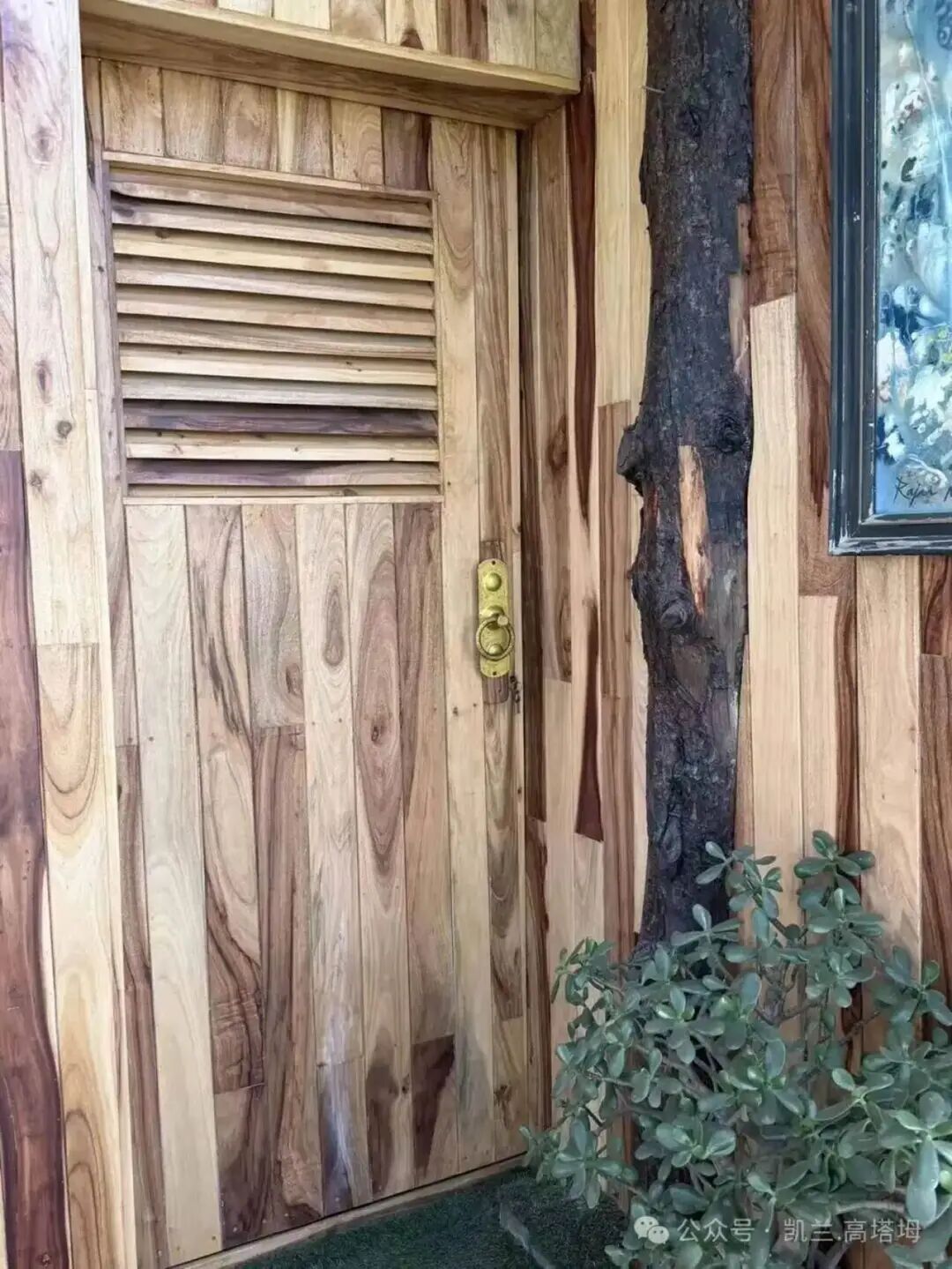
每天早晨,当我推开书房的木门,手触到那只在乌鲁木齐买的黄铜门把手。清晨时冰凉,午后变得温热,像有生命。那弧度里有喀什木门的雕纹,那光泽里映着赛里木湖的蓝,那重量里藏着“哈布布帮”的笑声。
Every morning, when I open the wooden door of my study, my hand touches the brass handle I bought in Urumqi. It is cool at dawn and warm by noon, almost alive. In its curve, I see the carved wooden doors of Kashi; in its gleam, the blue of Sayram Lake; in its weight, the laughter of the Habubu Gang.
那门把手成了我的每日仪式。它提醒我:理解是一扇需要自己推开的门,而旅行与友谊,会在灵魂上留下指纹。
That door handle has become my daily ritual of remembrance. It reminds me that understanding is a door we must open ourselves, and that travel and friendship leave fingerprints on the soul.
新疆让我懂得:和谐不是单一,而是共存。它教我:一首歌能做到演讲做不到的事,一片干净的湖能比千句口号更有力量。
Xinjiang taught me that harmony is not uniformity, but coexistence. It taught me that a song can do what speeches cannot, and that a clean lake can speak louder than a thousand slogans.
于是,每当阳光洒在那门把手上,我都会在心里轻声道谢——献给那片薰衣草与月光的土地,献给馕与笑声,献给友情与信念。
So whenever sunlight falls on that door handle, I whisper a quiet thank you in my heart—to the land of lavender and moonlight, to naan and laughter, to friendship and faith.
因为最终,眼见为实。而一旦你真正看见了新疆,你便会永远相信它的心。
Because in the end, seeing is believing. And once you have truly seen Xinjiang, you never stop believing in its heart.
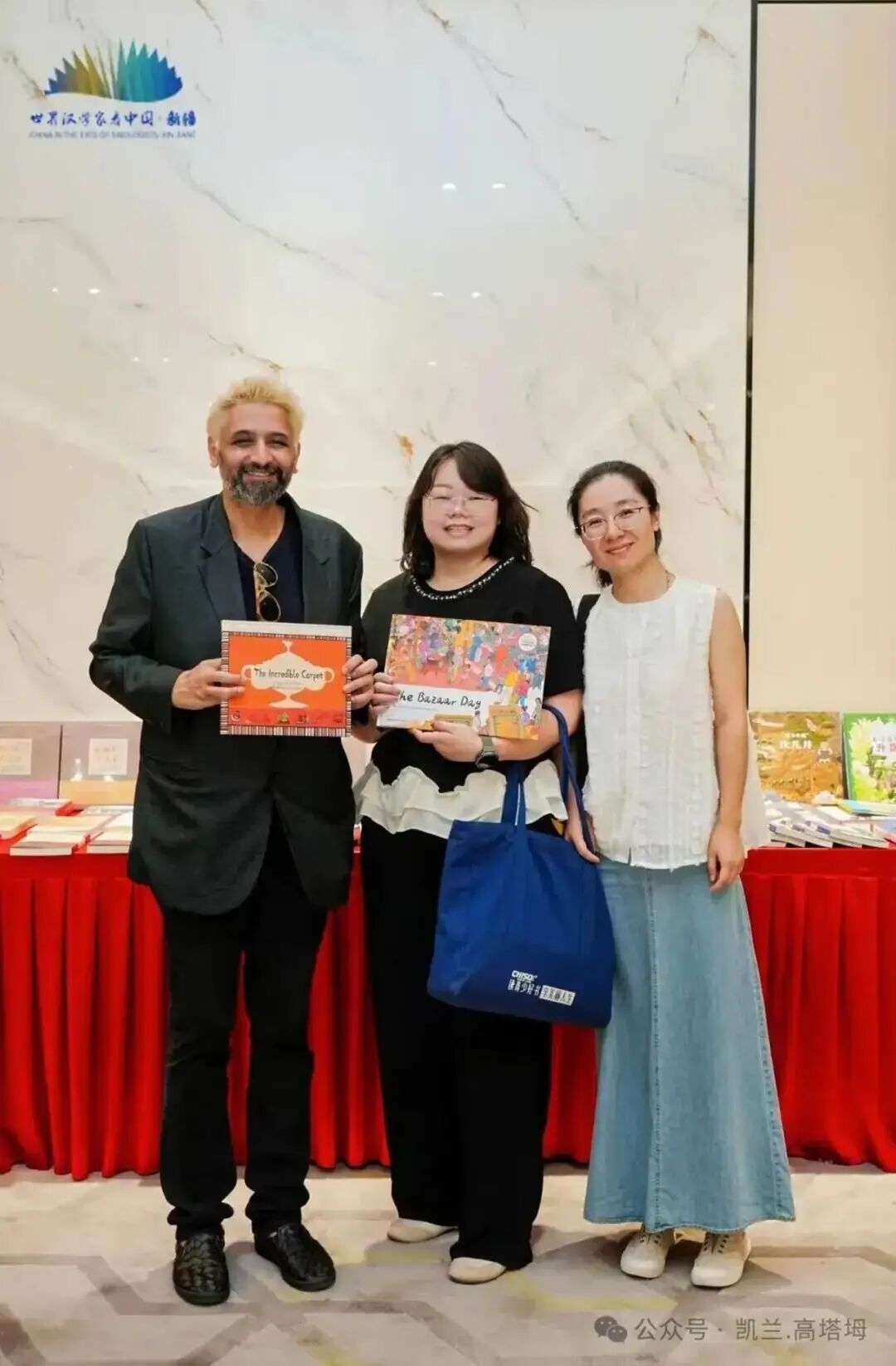
十载同行,再赴新程。一个故事,连接你我。期待您的参与,让我们以故事相聚,共叙中尼情谊。
我们下篇文章见。